The Fascinating World of Fungi
Fungi are a source of sustainable innovation in fashion and design. This article explores how the underground mycelium network serves as both inspiration and material for eco-friendly textiles.

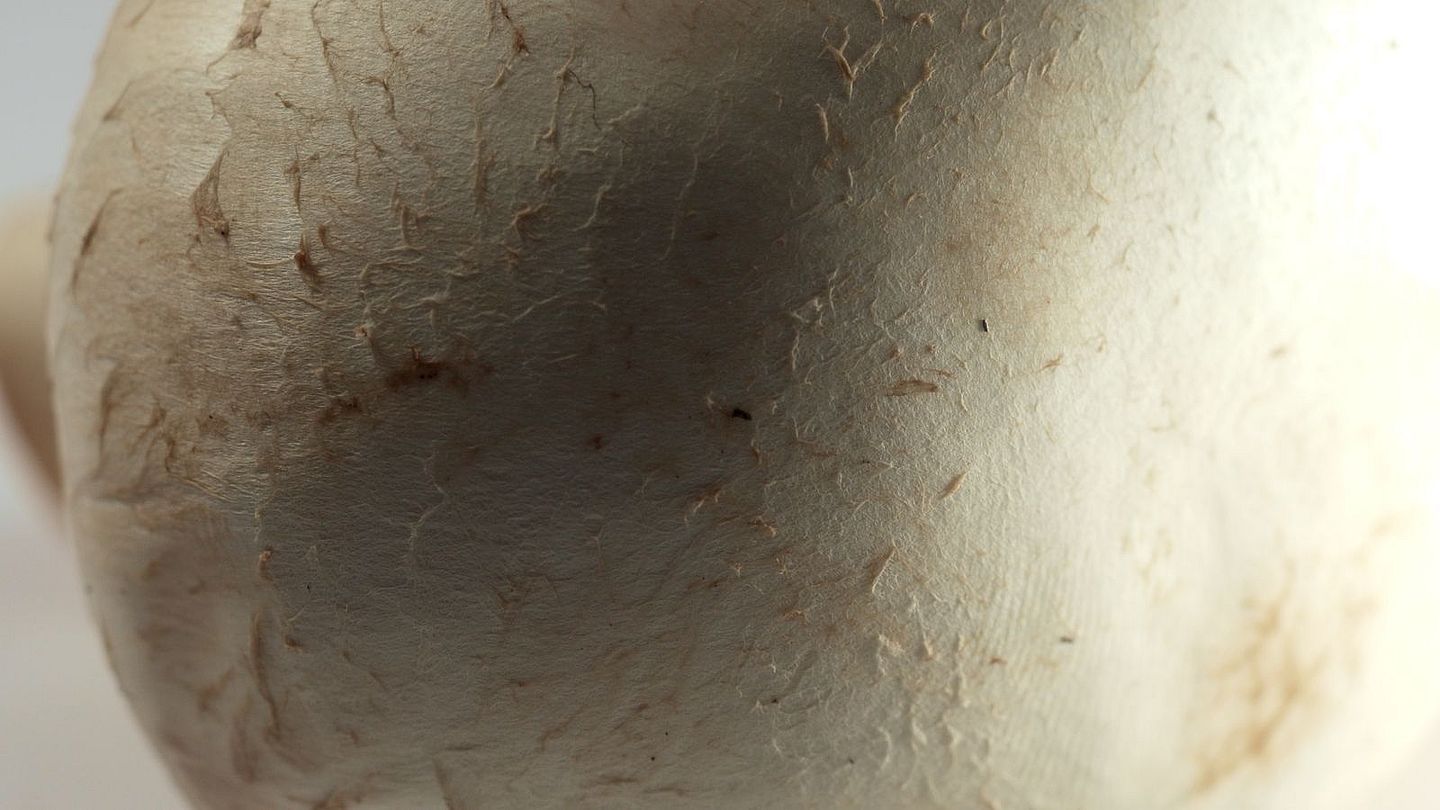
Fungi are a source of sustainable innovation in fashion and design. This article explores how the underground mycelium network serves as both inspiration and material for eco-friendly textiles.
Fungi are far more than the classic mushrooms on our plates. They are one of the oldest and most versatile life forms on our planet. As an invisible network, their mycelium weaves through the soil, communicates with plants, and actively contributes to ecosystem regeneration. Their biological properties make them an incredible source of sustainable materials, increasingly integrated into fashion, architecture, and product design.
Mycelium forms the actual fungal structure, often growing unnoticed underground. These finely interconnected networks act like nature’s internet, transporting nutrients, transmitting information, and supporting plant growth. Some species, like mycorrhizal fungi, even establish symbiotic relationships with trees, providing them with minerals in exchange for sugars.
Thanks to their unique cellular structure, fungi offer a fascinating material for eco-friendly innovations. Here are some areas where fungi are already transforming the world:
• Building Materials: Mycelium can serve as a biological brick, which is durable, fire-resistant, and compostable.
• Packaging: Companies are utilizing fungal-based materials as a sustainable alternative to styrofoam.
• Textiles: Mycelium-based fabrics provide a promising foundation for biodegradable clothing.
• Medicine: Medicinal mushrooms have been used for centuries in natural healing and show great potential in modern medicine.
As a designer, I am constantly inspired by the fascinating structures of fungi. Their organic forms and unique materiality flow directly into my sustainable collections, which are both aesthetically appealing and functional. Especially in luxury fashion, I see great potential for sustainable alternatives such as fungal leather, as they represent a new material that offers an innovative and eco-friendly solution to traditional animal-based products without compromising on quality and aesthetics.
Fungi are far more than just food – they are an inexhaustible source of innovation and sustainability. Their potential for eco-friendly materials and biological cycles is immense. By understanding fungi as natural partners of the Earth, we can develop sustainable solutions that not only protect our environment but also open up entirely new design possibilities.
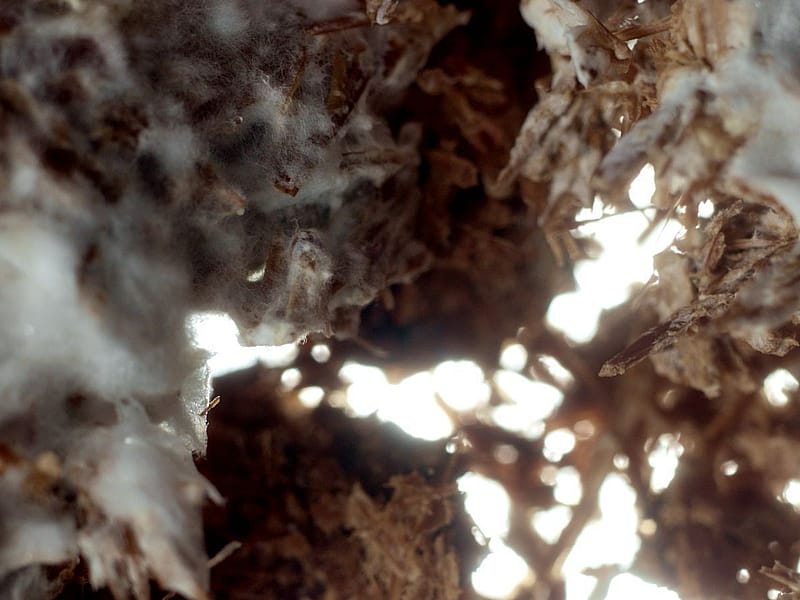
Mycelium – the invisible network beneath our feet – is far more than just the root structure of fungi. It possesses fasc…
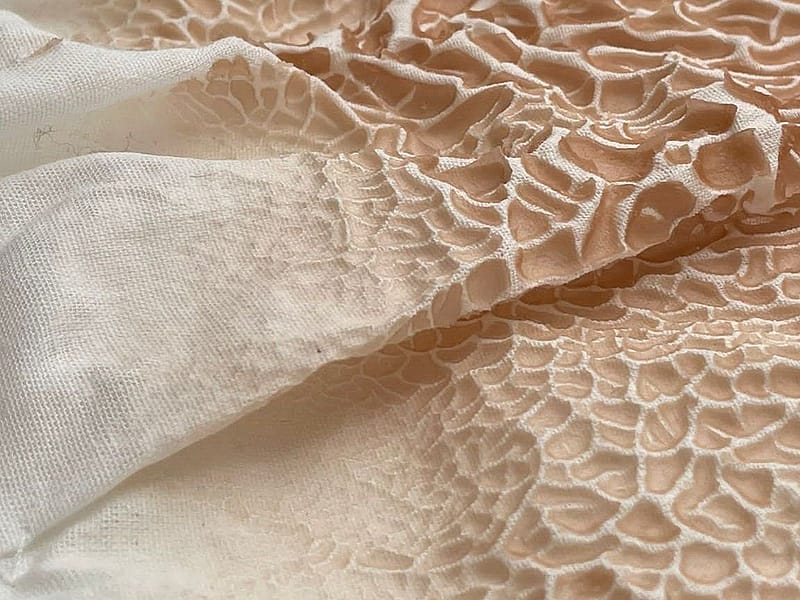
In my search for sustainable materials, I have ventured into the fascinating world of bioplastics. These innovative mate…

Colors are much more than just a visual experience. They are expressions, symbols, and a direct connection to nature. I…
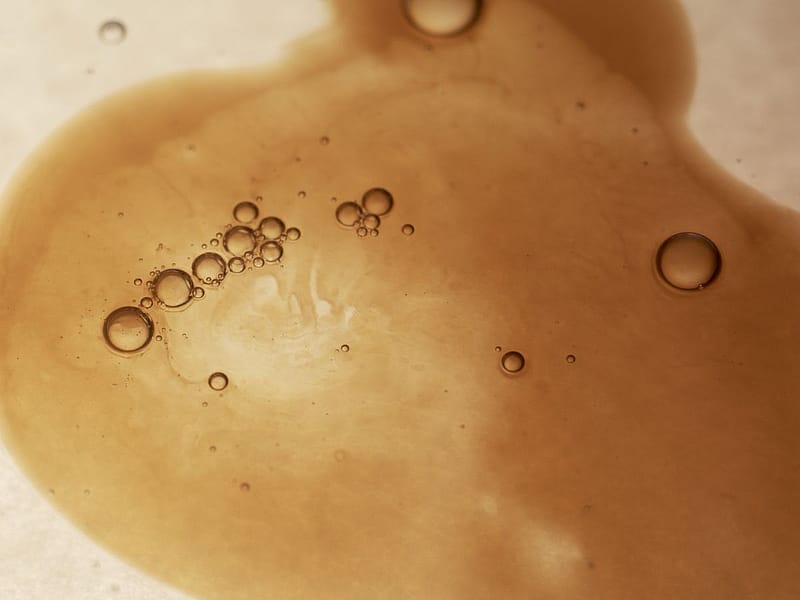
What if the answer to eco-friendly, natural dye alternatives was growing right beneath our feet? Mushrooms are not only…
The Future of Sustainable Fashion The fashion industry is undergoing a transformation. While synthetic fibers and animal…

Fashion is more than fabric and cut – it is a language. One that tells stories without words, conveys emotions, and shap…

Collaboration as a Driver of Innovation In the fashion industry, true innovation often means challenging existing bounda…