Natural Pigments: The Art of Nature’s Colors
Discover the art of dyeing with natural pigments from plants, kitchen scraps, and fungi. This post explores it as a sustainable and unpredictable alternative to synthetic dyes in the fashion industry.

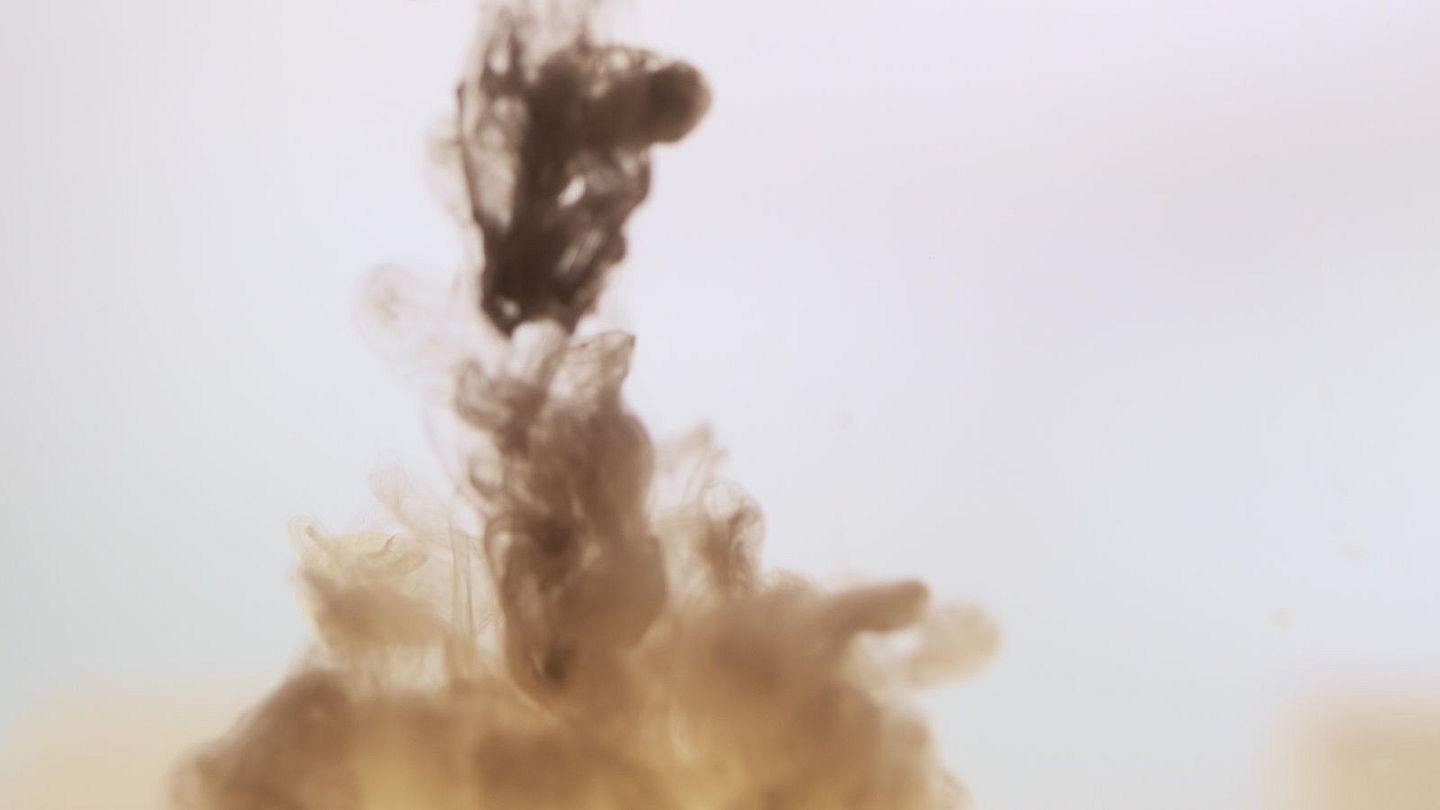
Discover the art of dyeing with natural pigments from plants, kitchen scraps, and fungi. This post explores it as a sustainable and unpredictable alternative to synthetic dyes in the fashion industry.
Colors are much more than just a visual experience. They are expressions, symbols, and a direct connection to nature. I am fascinated by the idea of dyeing fabrics with natural materials because it is not only a sustainable alternative to synthetic dyes but also an artistic process that integrates nature’s beauty into our clothing.
The fashion industry is one of the biggest polluters – especially due to synthetic dyes that are often petroleum-based and contain harmful chemicals. These dyes seep into water, soil, and ultimately our bodies. Natural dyeing methods, on the other hand, harness plants, fruits, bark, or even fungi to create beautiful, earthy tones – without toxic residues.
Another reason why natural dyeing fascinates me is its unpredictability. Each dyeing process is unique. The final shade depends on water quality, pigment concentration, and dyeing duration. It’s a form of artistic experimentation that brings me closer to nature.
Many valuable pigments are hidden in things we would usually discard as waste. Avocado peels and pits contain tannins that can turn fabrics into warm pink to copper tones. Depending on the water temperature and dyeing duration, the results vary – from delicate blush to deep terracotta.
Fungi fascinate me not only as a material source but also as natural dye providers. Some species contain intense pigments that can transform fabrics into extraordinary colors.
In my own work, I have used mushroom-based dyes for designs such as "Connected Nature" (dusty pink) and "Mushroom Muse" (soft yellow). Two particularly interesting dye-producing mushrooms are: Bloodred Webcap (Cortinarius sanguineus) and Grey-gilled Sulphur Tuft (Hypholoma capnoides)
Natural colors fade over time – and that is precisely what makes them so special to me. They develop a patina, a personality that grows richer with every wear. In a world dominated by perfection and synthetic uniformity, I cherish the irregular, the organic. Each color is unique – no two fabrics are ever the same.
I see dyeing not just as a technique but as a ritual that slows us down. It is a mindful process that requires patience. It teaches me to appreciate fabrics and colors – not as fast fashion, but as something that grows, changes, and tells a story. It connects us with nature, with craftsmanship, and with an age-old tradition that existed for centuries before synthetic dyes took over. It is a creative dialogue with the environment – an ongoing experiment with peels, plants, and fungi that continuously surprises me.
I believe that through these methods, fashion becomes not only more sustainable but also more personal. When every garment tells a story – from the plant or mushroom that provided the color to the hands that dyed it – clothing transforms into something greater than a mere product. It becomes a part of our identity, our connection to nature.
Behind the vision
A heartfelt thank you to all the talented individuals who contributed their creativity, skills, and passion to bring this project to life – your dedication has been invaluable.
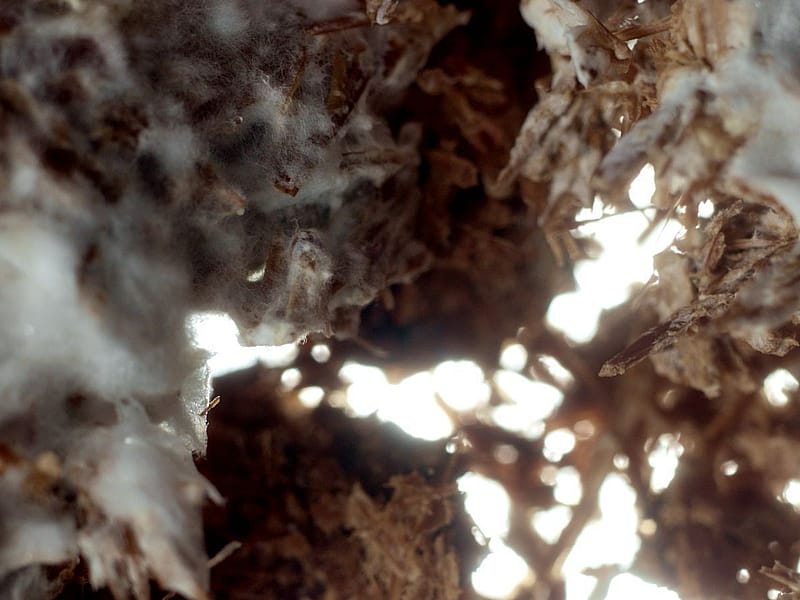
Mycelium – the invisible network beneath our feet – is far more than just the root structure of fungi. It possesses fasc…
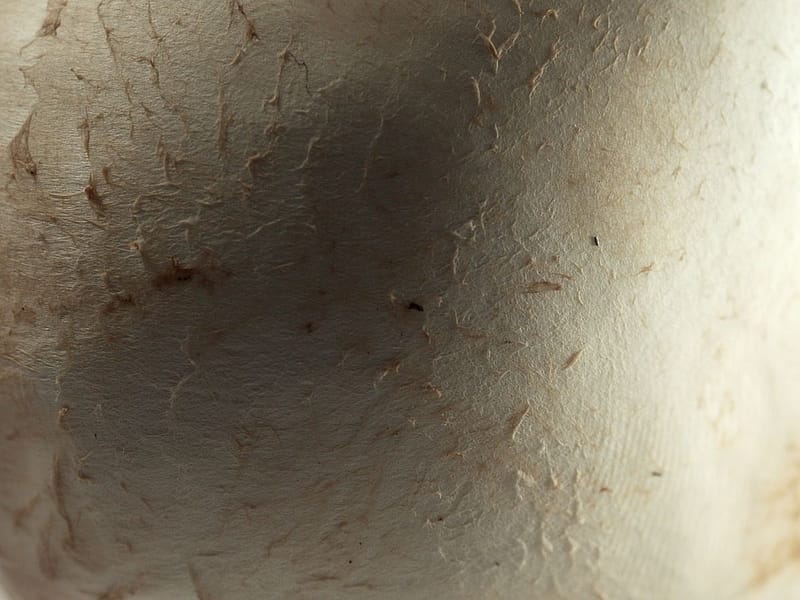
Fungi are far more than the classic mushrooms on our plates. They are one of the oldest and most versatile life forms on…
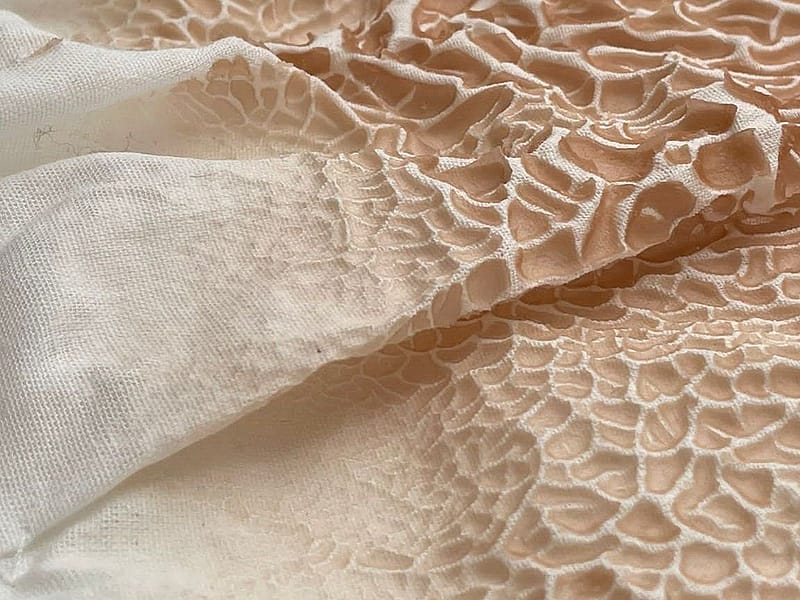
In my search for sustainable materials, I have ventured into the fascinating world of bioplastics. These innovative mate…
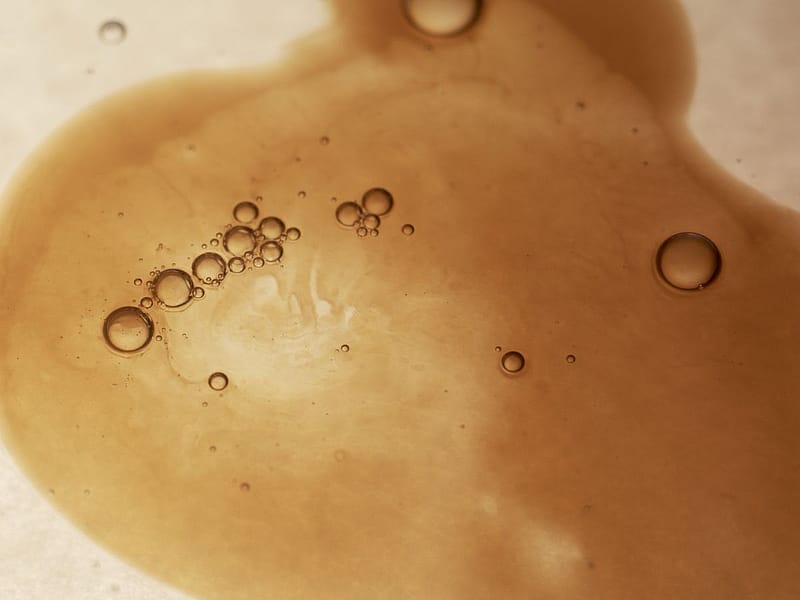
What if the answer to eco-friendly, natural dye alternatives was growing right beneath our feet? Mushrooms are not only…
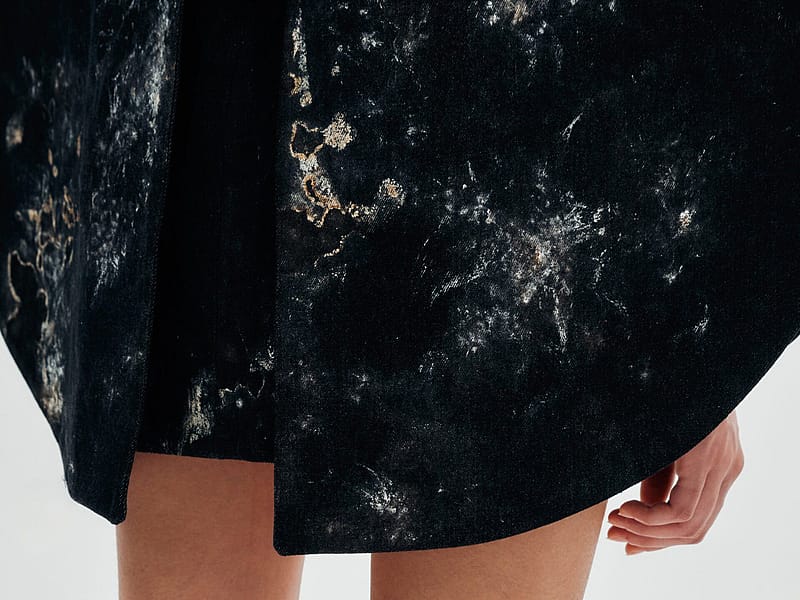
The Future of Sustainable Fashion The fashion industry is undergoing a transformation. While synthetic fibers and animal…

Fashion is more than fabric and cut – it is a language. One that tells stories without words, conveys emotions, and shap…
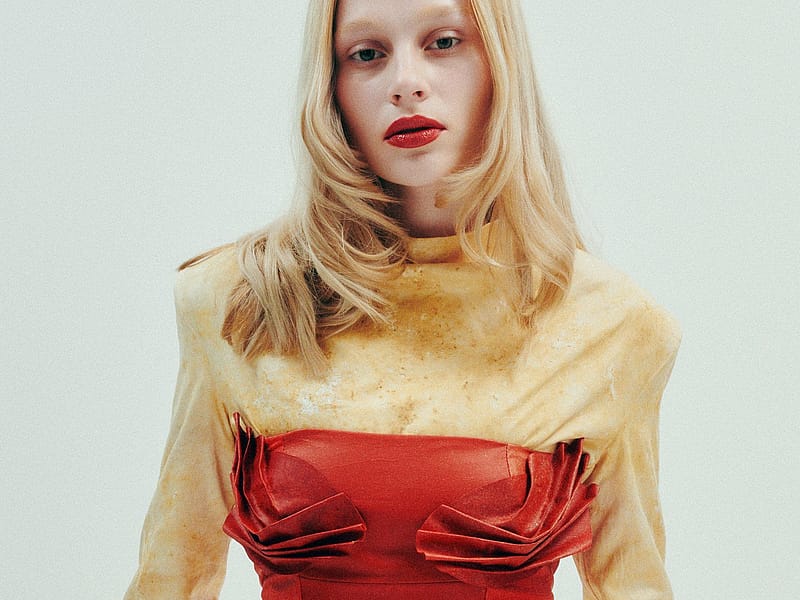
Collaboration as a Driver of Innovation In the fashion industry, true innovation often means challenging existing bounda…