Bioplastics: Shaping the Future of Fashion
An insight into the world of bioplastics in fashion. The article describes experiments with biodegradable materials that offer a sustainable alternative to conventional, petroleum-based plastics.

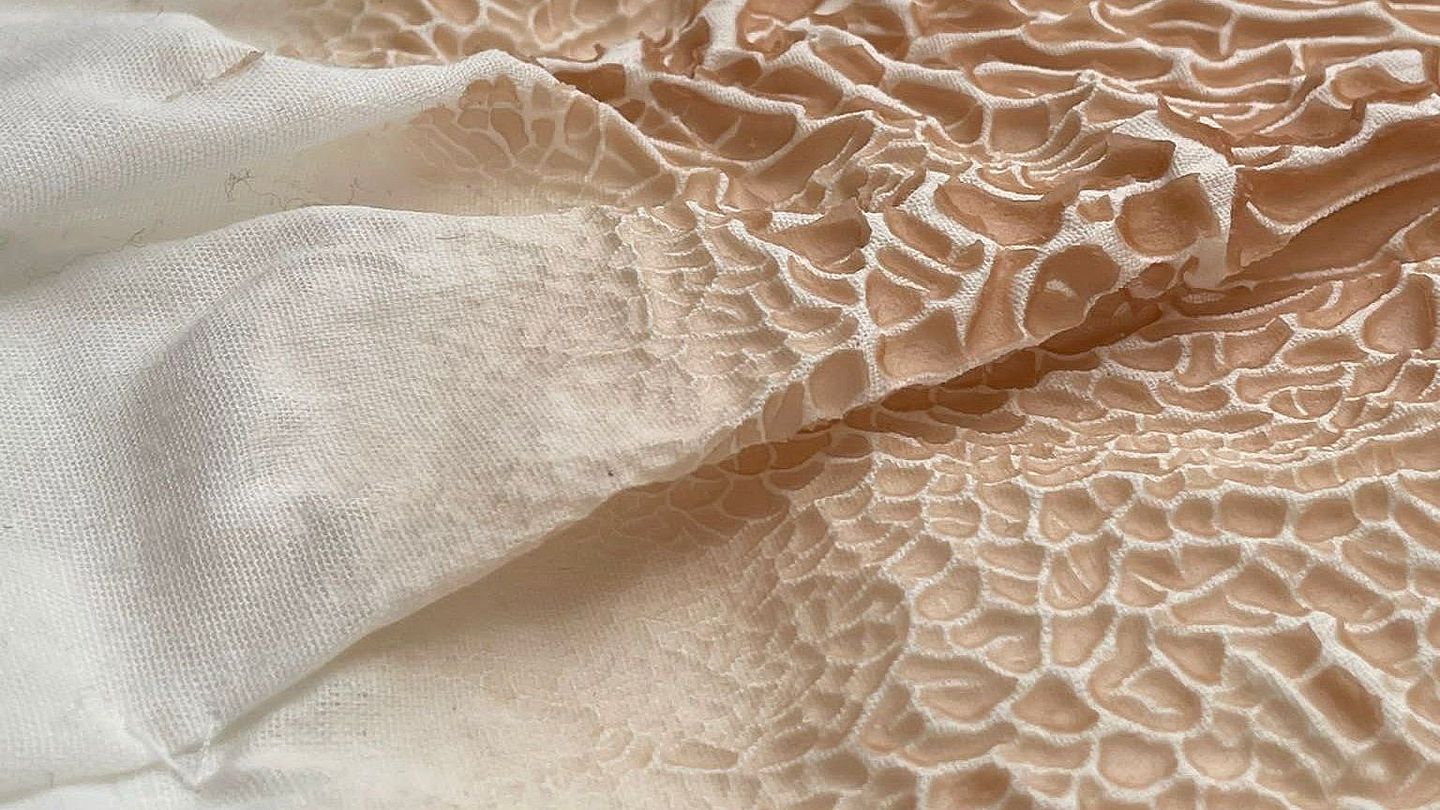
An insight into the world of bioplastics in fashion. The article describes experiments with biodegradable materials that offer a sustainable alternative to conventional, petroleum-based plastics.
In my search for sustainable materials, I have ventured into the fascinating world of bioplastics. These innovative materials, derived from renewable biomass sources, offer an exciting alternative to conventional petroleum-based plastics. They are not only biodegradable but also open up new design possibilities—a field I am actively exploring in my own experiments.
Bioplastics are more than just a sustainable alternative—they have the potential to fundamentally transform the fashion industry. While most plastics in fashion are based on fossil resources, bioplastics utilize natural sources such as algae, cellulose, or mycelium. Through precise material blends and manufacturing processes, they can achieve textures and properties reminiscent of leather, silk, or even transparent structures.
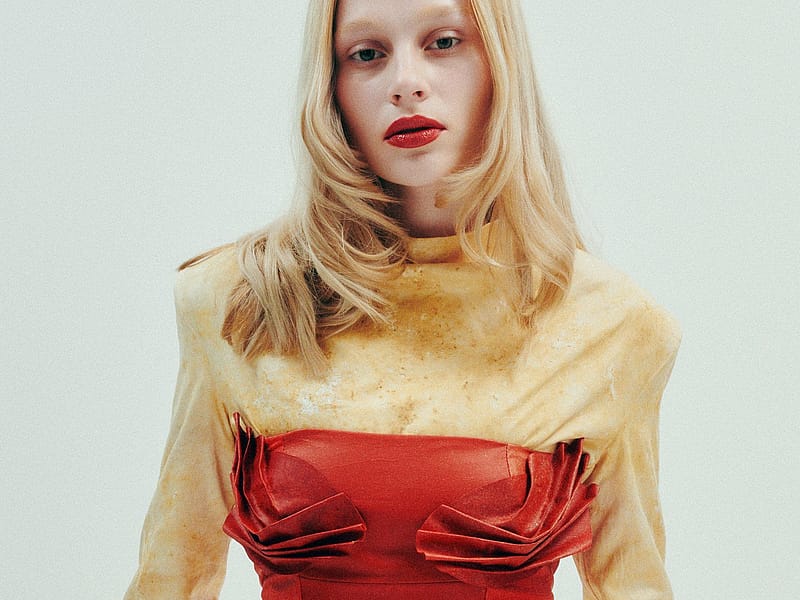
In my own experiments, I use biodegradable blends that mimic organic processes such as the shedding of reptilian skin or the metamorphosis of butterflies. These natural transformations inspire me to rethink fashion—as something that evolves with the wearer, ages gracefully, and ultimately returns to the natural cycle.
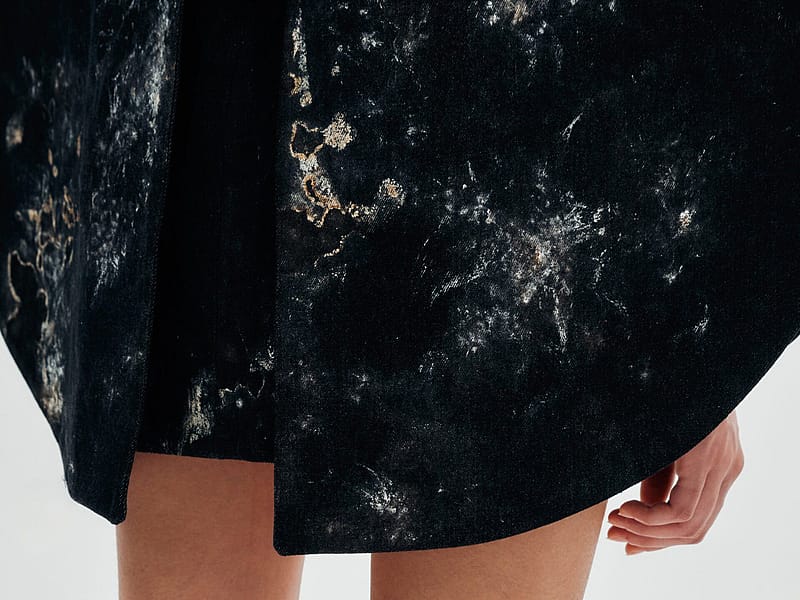
The concept of a "second skin" has been central to my work for a long time. In one of my recent projects, I sought to transform old materials into a new form—my former linen curtains became a hooded jumpsuit, while discarded tights and leggings found new life as base layers. Combining them with bioplastics created a texture that makes the transformation process visually tangible.
The process was challenging: bioplastics behave differently from conventional fabrics—they react to moisture, change their structure, and require patience in handling. Yet, these very qualities make them so intriguing. They do not simply feel like fabric—they live, breathe, and interact with their environment.
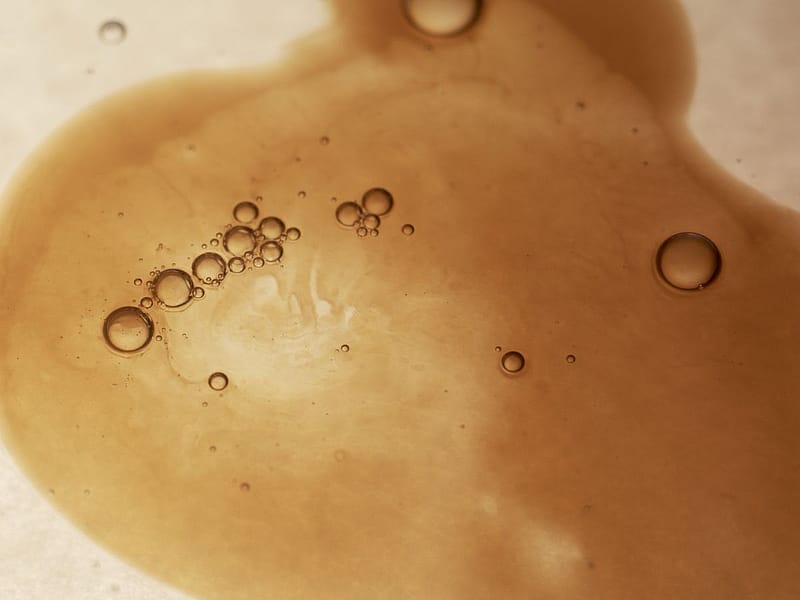
The process was fascinating: bioplastics behave differently from conventional materials—they respond sensitively to moisture, transform their structure, and require patience and careful attention. Yet, precisely these living qualities lend them their unique beauty. In my experiment, I used bioplastic as a surface design element and quickly observed how the material interacted dynamically with the textile surface, causing intriguing distortions and shrinkage.
Despite these open questions, bioplastics remain an exciting possibility for the future of fashion. The idea of wearing garments that gradually biodegrade or change through external influences could redefine our relationship with clothing. Fashion would no longer exist merely as a consumer good but as something alive—a temporary work of art that eventually reintegrates into nature.
The research in this field is still in its development phase, but that is precisely what makes it so exciting. This is the moment where we can redefine fashion—moving towards a sustainable, innovative, and future-oriented system.
Behind the vision
A heartfelt thank you to all the talented individuals who contributed their creativity, skills, and passion to bring this project to life – your dedication has been invaluable.
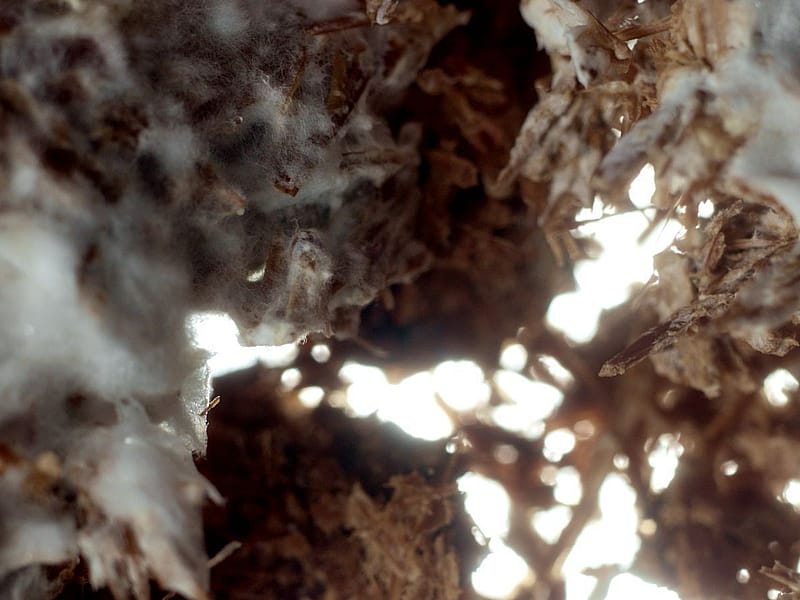
Mycelium – the invisible network beneath our feet – is far more than just the root structure of fungi. It possesses fasc…
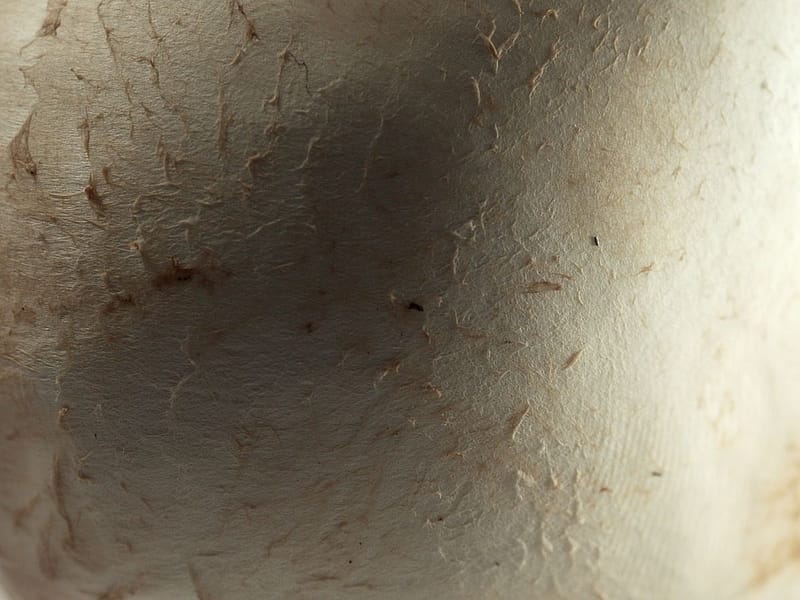
Fungi are far more than the classic mushrooms on our plates. They are one of the oldest and most versatile life forms on…
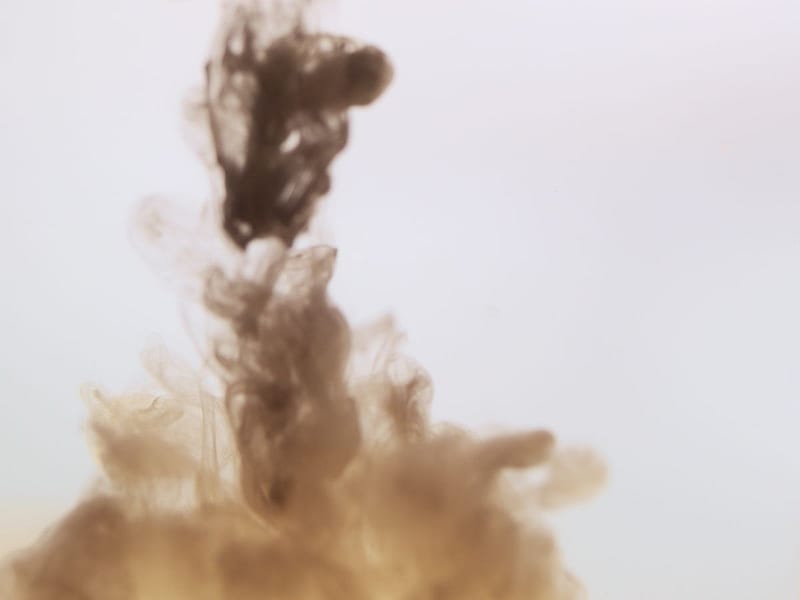
Colors are much more than just a visual experience. They are expressions, symbols, and a direct connection to nature. I…
What if the answer to eco-friendly, natural dye alternatives was growing right beneath our feet? Mushrooms are not only…
The Future of Sustainable Fashion The fashion industry is undergoing a transformation. While synthetic fibers and animal…

Fashion is more than fabric and cut – it is a language. One that tells stories without words, conveys emotions, and shap…
Collaboration as a Driver of Innovation In the fashion industry, true innovation often means challenging existing bounda…