'Mushroom Muse' in ORF konkret
This article covers the development of a sustainable mushroom leather in collaboration with the University of Vienna, culminating in a couture corsage featured on ORF.

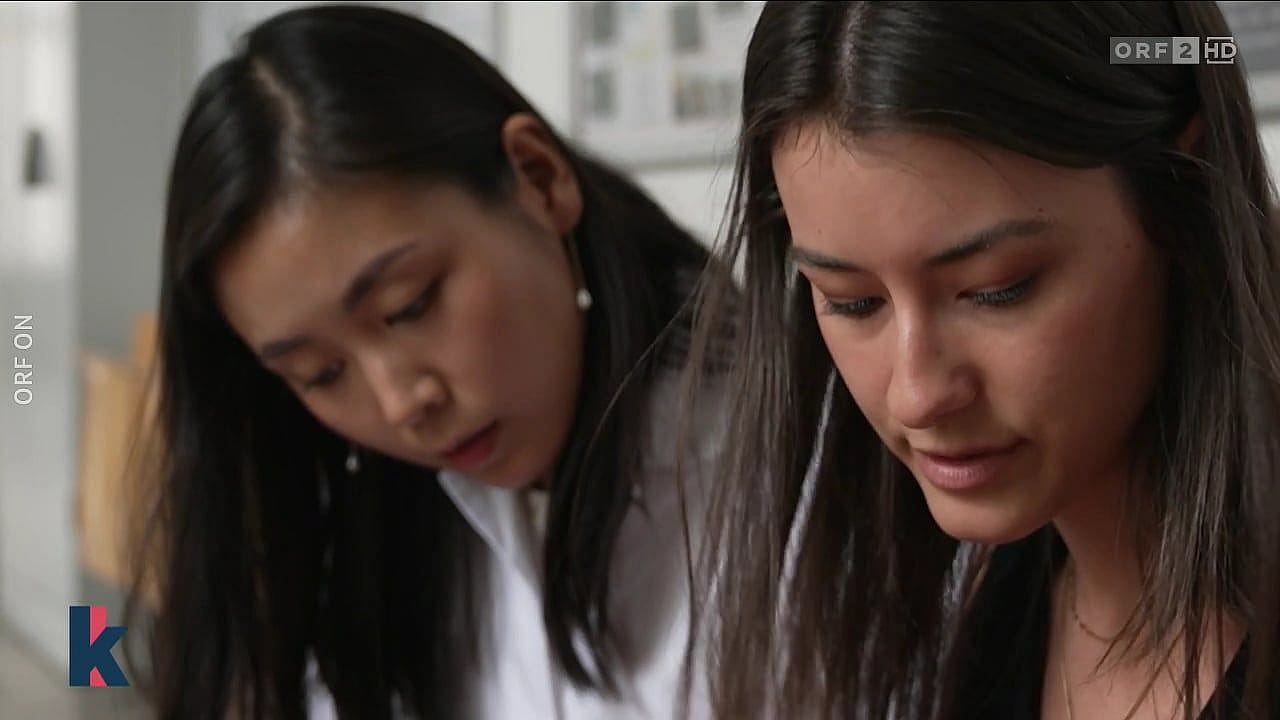
This article covers the development of a sustainable mushroom leather in collaboration with the University of Vienna, culminating in a couture corsage featured on ORF.
The journey from an idea to a finished design is often long and full of exciting twists and turns. For me, this journey reached a special peak in August 2024 in Vienna: What began as intensive research for my bachelor's thesis, "Mycelium Interwoven: The Networked Future of Mushrooms and Fashion," led to a wonderful collaboration with researchers Prof. Alexander Bismarck and Anne Zhao from the University of Vienna. Our shared fascination for the potential of fungi in the fashion industry has connected us since the beginning of my thesis, in which I explored the theoretical foundations for precisely such innovations.
The occasion was thrilling: A television appearance for ORF! I was invited, along with Prof. Alexander Bismarck and material researcher Anne Zhao from the University of Vienna, to talk about their groundbreaking innovation – a mushroom leather (a fungi-based textile) that is not only sustainable but also has the potential to change the fashion industry. Being the first designer to create a garment, a corsage, from this very promising material developed by Prof. Bismarck and Anne Zhao filled me with pride and great joy.
The culmination of this collaboration was then the recognition of our joint work in an ORF feature, which showcased both the innovative mushroom leather and the corsage I crafted from it. It was an incredible experience to speak on camera about the processing of this forward-looking material and the vision behind it.
The feature was originally broadcast on February 13, 2025, on the ORF program 'konkret' and is now available on the ORF YouTube channel click here or watch below: Mushroom Muse in ORF
The video offers an exciting glimpse into the work of the Viennese research team: they are producing an environmentally friendly alternative to animal leather from conventional button mushrooms. The need for this is urgent, as conventional leather production is associated with significant environmental burdens – from enormous water consumption to methane emissions from livestock farming, which demonstrably impacts our climate more severely than CO2, a point also highlighted in the feature. It is part of my responsibility as a designer to look closely here and search for better ways.
Mushrooms, on the other hand, are true natural wonders with an impressive ecological balance. They can convert wood or food waste into CO2 and valuable fungal material, thus having a significantly lower CO2 footprint. Their frugal growth, requiring little water and – as illustrated in the feature – even generating their own heat, is a fascinating example of a resource-efficient cycle – a principle that also underlies my "Less-Waste" cutting philosophy.
But how does a mushroom become a material that not only feels like leather but also possesses its aesthetic qualities? The feature takes us on an exciting journey here. The scientists use the fruiting bodies of the mushrooms themselves. In a meticulous process, the mushroom substance is, among other things, boiled with caustic soda to remove unwanted proteins and water-soluble components. After several filtering stages, a fine, leather-like mushroom skin is created. This is then dried and pressed to achieve the desired density and texture.
As a designer with experience in dyeing with mushrooms and other natural pigments, I particularly appreciate the dyeing process, as it combines natural aesthetics with environmentally friendly methods. Instead of potentially toxic chemicals, which are often used in conventional leather dyeing, the team relies on the power of nature – for example, turmeric. The finished mushroom leather is therefore not only an optical and haptic alternative but is also biodegradable at the end of its life cycle and can simply be composted.
It was not only a great joy for me but a real honor to be the first designer to create a garment from this specific mushroom leather developed in Vienna. The corsage, which you can also admire in the ORF feature and which I wore, is more than just a fashion item to me. It is a symbol of the connection between research and craftsmanship, of innovation and timeless aesthetics. It was an indescribable feeling to literally hold the practical application of my bachelor's thesis, the essence of my research, in my hands and transform it into a feminine silhouette.
The processing of this novel material naturally differs from traditional fabrics. And that is precisely where the appeal lies for me: to break new ground, to explore the limits of what is possible, and to perceive the unique properties of the material not as a hurdle, but as an inspiration. It's about bringing out the best in the material with attention to detail and craftsmanship, creating pieces that are not only beautiful but also significant.
The development of mushroom leather is still in its early stages, and the research team is continuously working to further optimize desired properties such as tear resistance and water resistance. But the potential is immense and incredibly inspiring. Materials like this are not only an answer to the ecological challenges of our time, but they also open up completely new aesthetic and functional possibilities for us designers, allowing us to create fashion that tells a story.
My trip to Vienna and the collaboration with Prof. Alexander Bismarck and Anne Zhao have once again strengthened my conviction that the fusion of research, sustainability, and design is the path to a more responsible and, at the same time, exciting fashion future. It's about creating not just clothes, but stories – stories of innovation, respect for nature, and the infinite creativity that lies hidden within it.
I cordially invite you to continue this journey with me. Learn more about how innovative materials shape our collections and how we can create a more conscious fashion world together.
Behind the vision
A heartfelt thank you to all the talented individuals who contributed their creativity, skills, and passion to bring this project to life – your dedication has been invaluable.
Experience the project through the companion video with sound and motion.
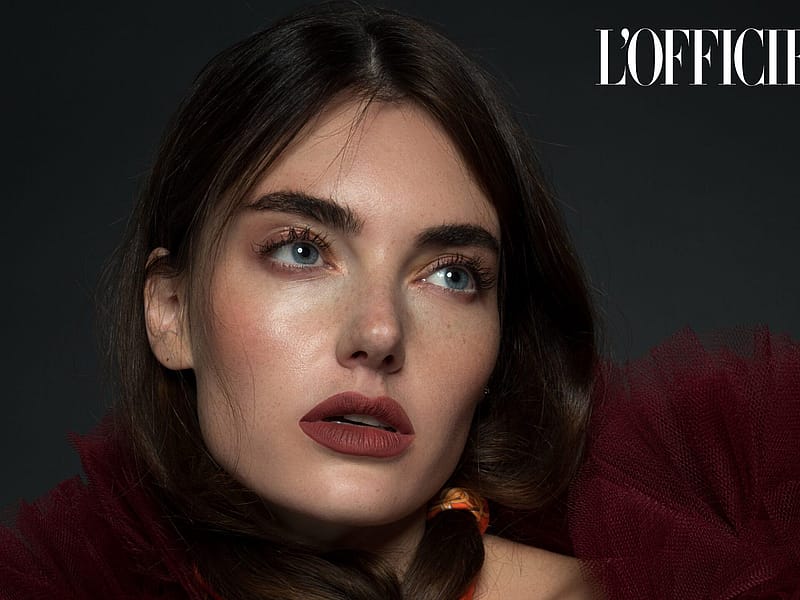
I’m beyond excited to see my Mushroom Muse design featured in the latest fashion story “Cosmic Allure” by L’Officiel…
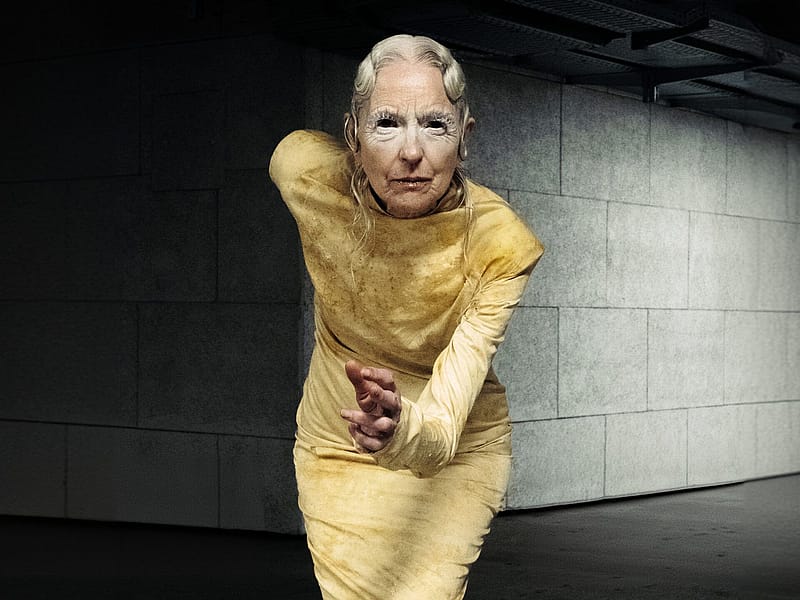
Discover Berlin’s vibrant soul woven into the enigmatic world of mushrooms. Crafted from innovative mushroom materials,…
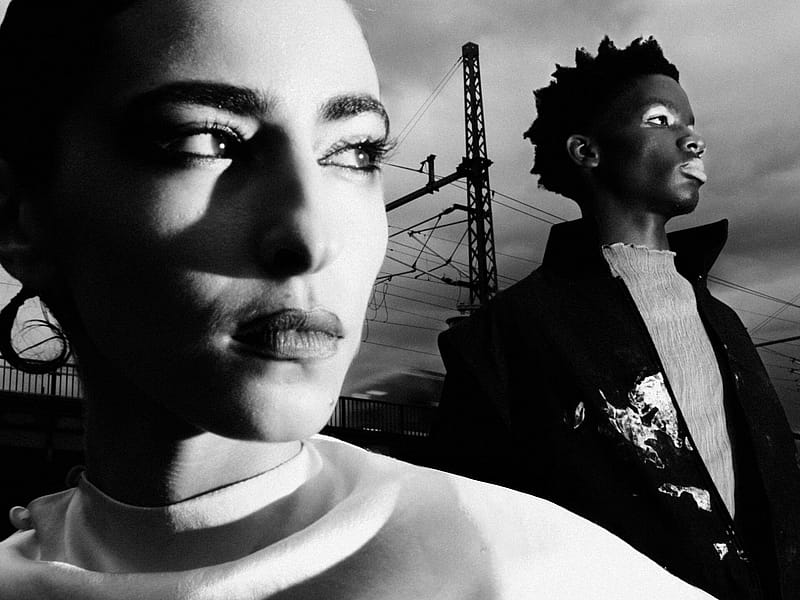
I'm thrilled and deeply proud that my collection „Mycelium Interwoven“ is featured as the cover story of rollupmagazi…
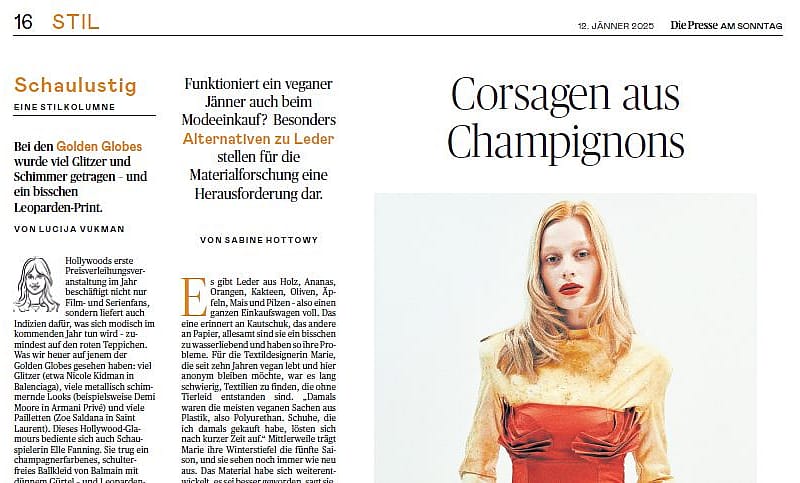
March marked a truly special moment: My mushroom leather corset was featured beautifully in the newspaper "Die Presse,"…
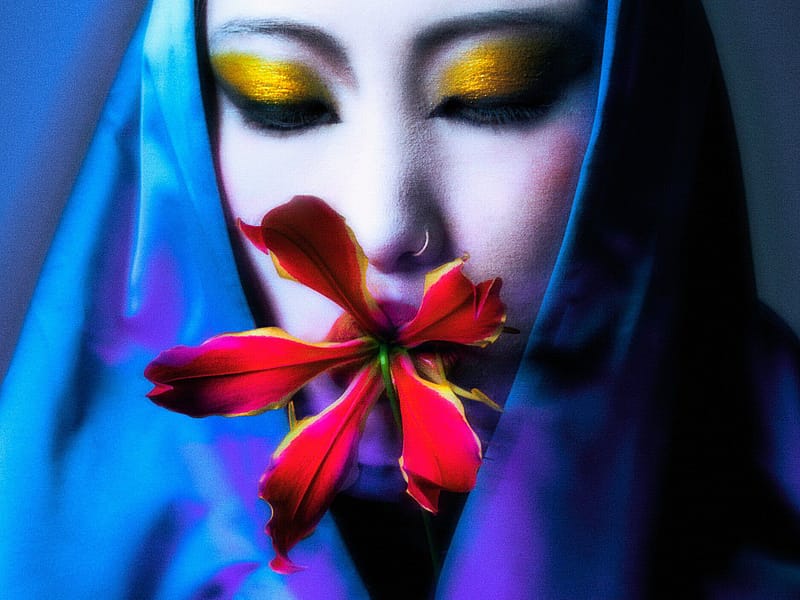
I'm thrilled that my designs are featured in the captivating photo series "Bella Donna" by Noctis Magazine. “Like the mo…
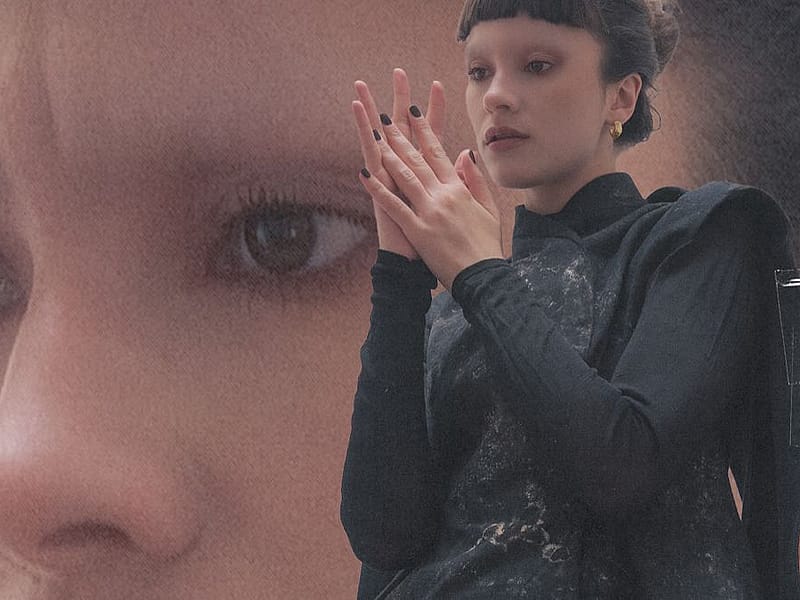
Two of my creations are featured in the latest fashion story Wait in Contributor Magazine : the Mycelia Whisper dre…
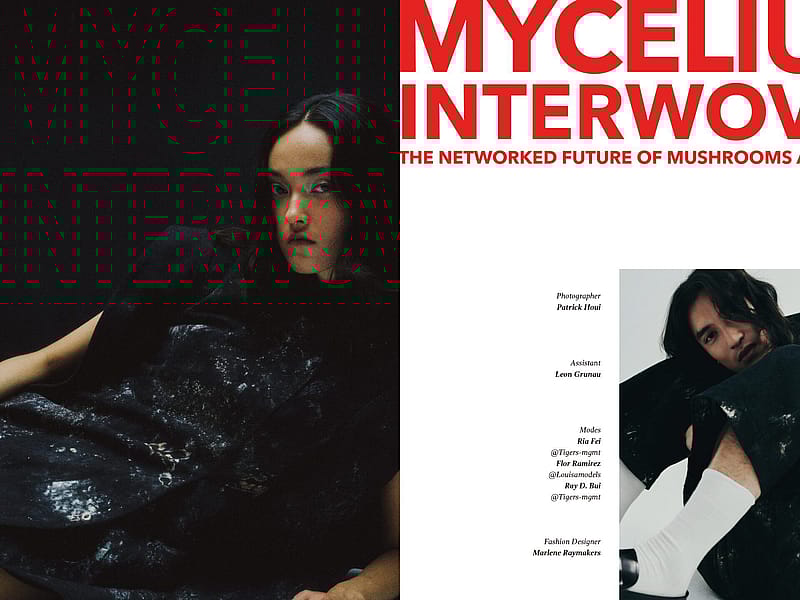
The end of April marked an exciting milestone: My bachelor’s collection “Mycelium Interwoven” took centre stage in a thr…
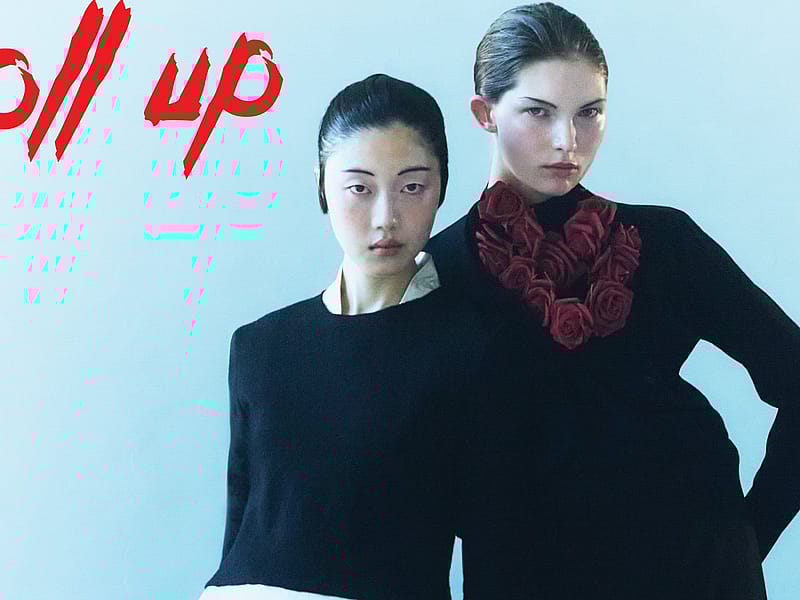
Social Capital Dress Graces the Cover of Roll Up Magazine I’m thrilled to announce that my “Social Capital” dress has ma…
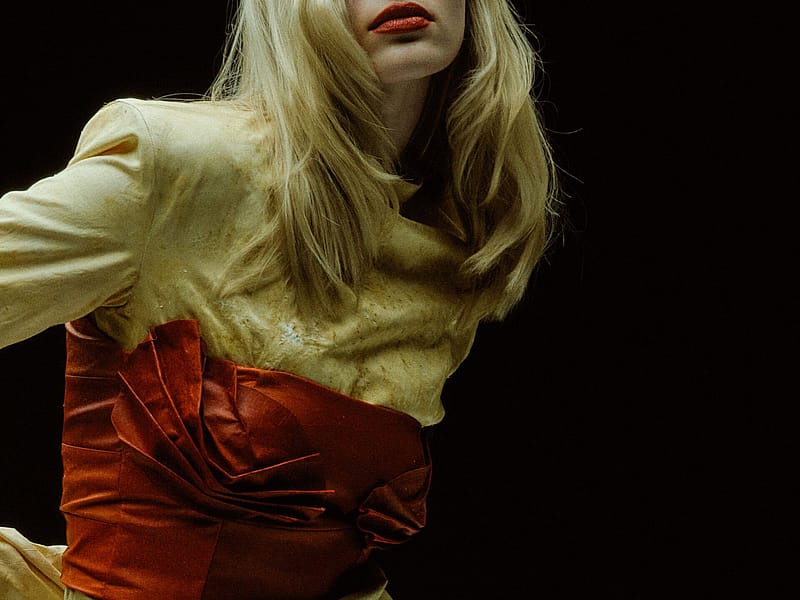
The Art of Fashion and Fungus in GLITCH Magazine The fashion industry is in a state of transformation, and as a designer…